.svg)





.avif)





STAY INSPIRED
Every garden holds a story, and every idea can spark the next. Sign up to receive more of Schmechtig’s blogs and videos — curated to keep your imagination blooming.

847-566-1233 or drop us a note.
As professionals, we see some understandable landscaping mistakes this time of year by people who are unsure what summer care is supposed to look like. From neglecting a flower garden (it’s all grown, right?) to haphazard watering, these missteps can have lasting consequences. Rising temperatures, stronger sun and drier conditions all signal it’s time to shift from spring’s planting mindset to a summer strategy focused on resilience and maintenance. With a few targeted adjustments, your lawn and garden can not only survive but flourish in the coming months.
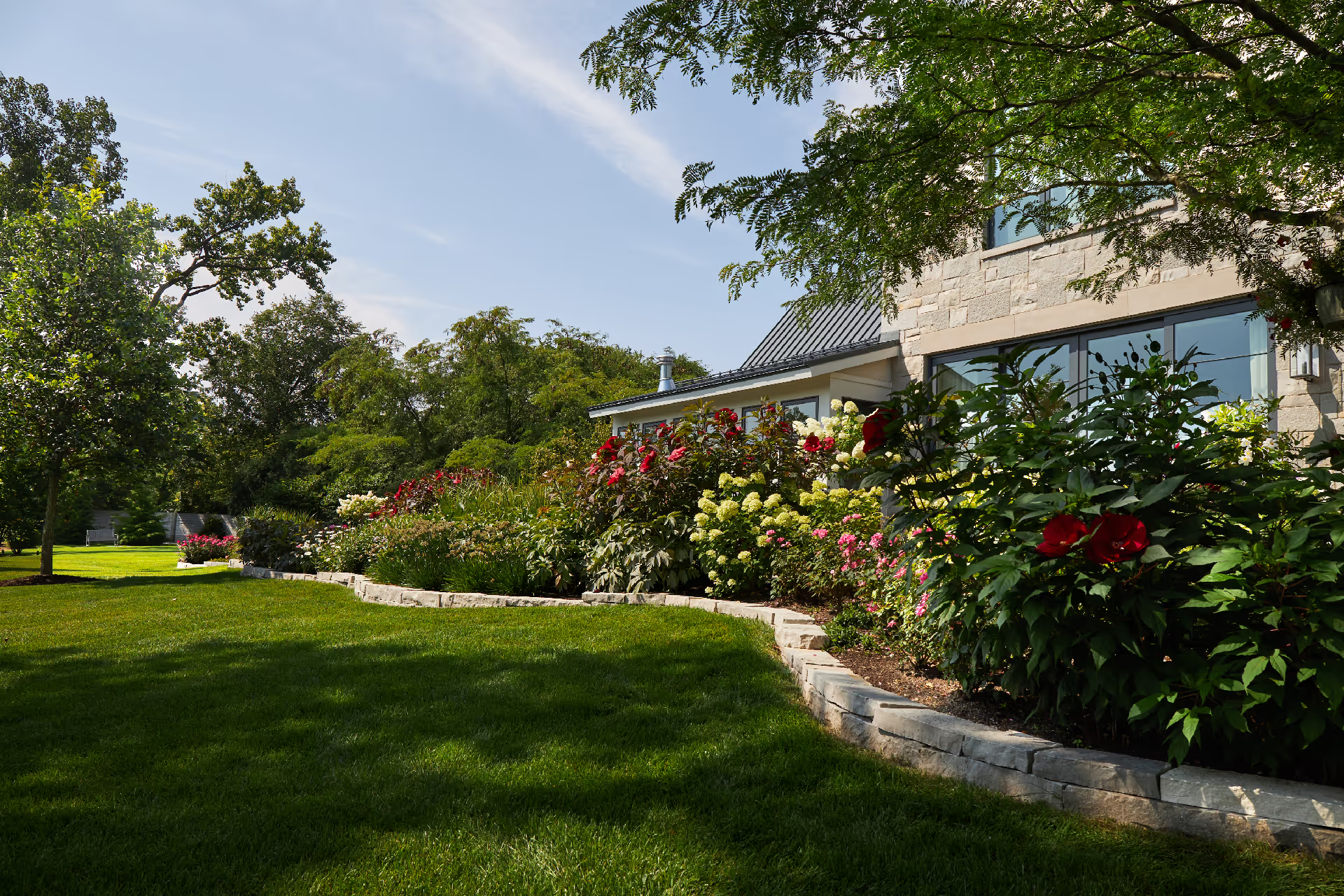
Some folks assume their lawns and gardens need daily watering in the heat, but this can actually harm plants by
encouraging shallow root growth and increasing the risk of disease. As temperatures rise, lawn maintenance should focus on
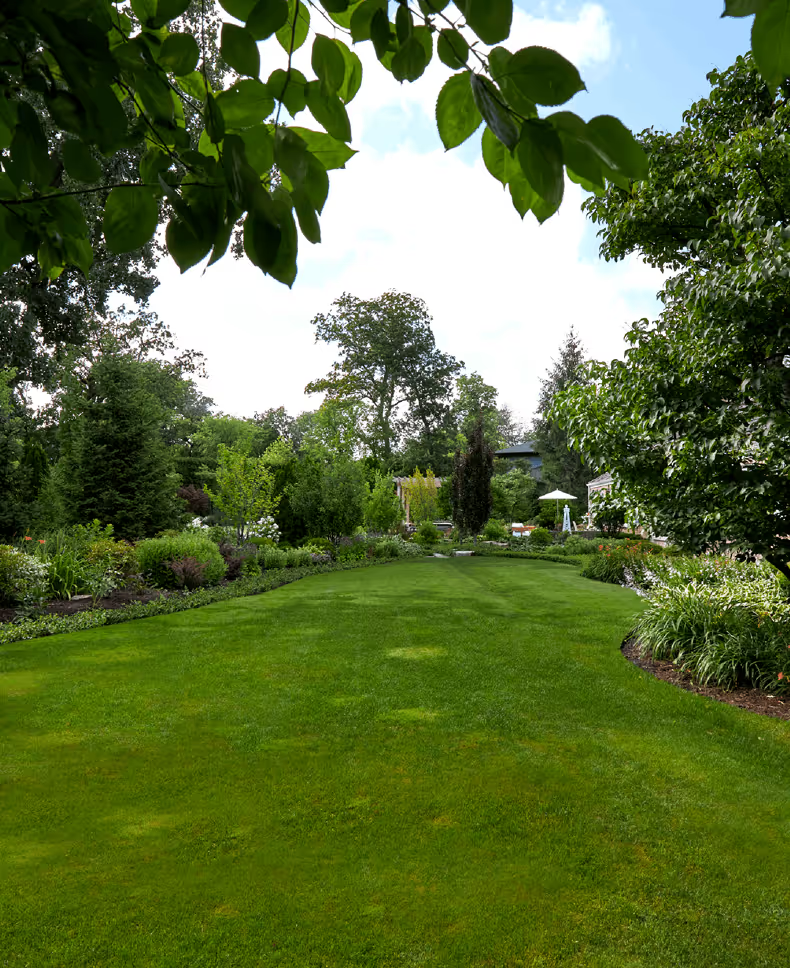
protecting your grass from heat stress and promoting healthy growth. This means the lawn should be mowed at a higher
setting to encourage deeper root development and provide extra shade for the soil.
Typically, mower blades should be adjusted to cut the grass at three to four inches, depending on the grass type.
Taller grass helps shade the soil, reducing moisture loss and blocking weed growth. It also encourages deeper root systems,
which make the lawn more resilient to heat and drought during the hotter months of June and July.
Fertilizing should also be minimized during peak heat to avoid burning the grass.
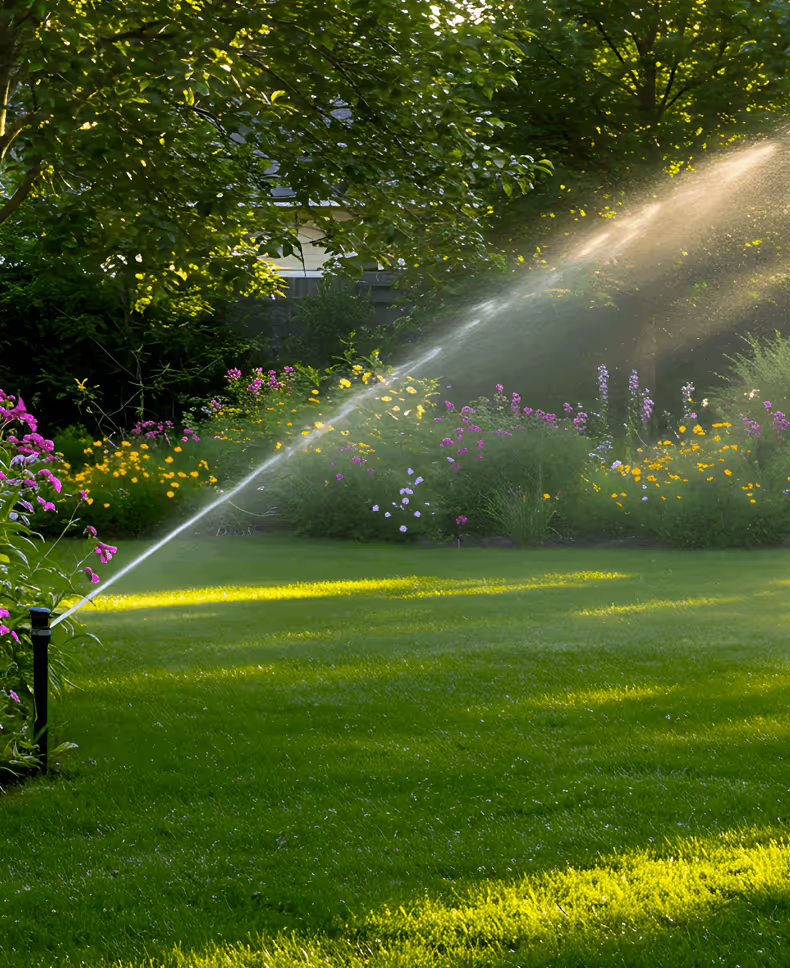
Despite the heat, you can usually water less frequently. Watering should be done early in the morning to preserve
water and promote drought resistance. Again, find out what specific approach works with your type of grass. For example,
cold-whether grass can go dormant in summer and require less attention as a result.
All in all, expect to give your lawn a thorough soaking less often. You still may need to water once or twice per week,
and how often it rains will certainly impact your schedule. A landscaper will work with you on an approach that encourages
the grass roots to grow deeper into the soil, making the lawn more drought-tolerant and healthier overall.
Gardening is very different when temperatures are high and rainfall is somewhere between unpredictable and
nonexistent. The most obvious adjustment is that many plants will require more frequent watering. But they may also need
protection from heat stress, depending on their placement, as well as additional monitoring for pests and diseases that thrive
in warmer conditions.
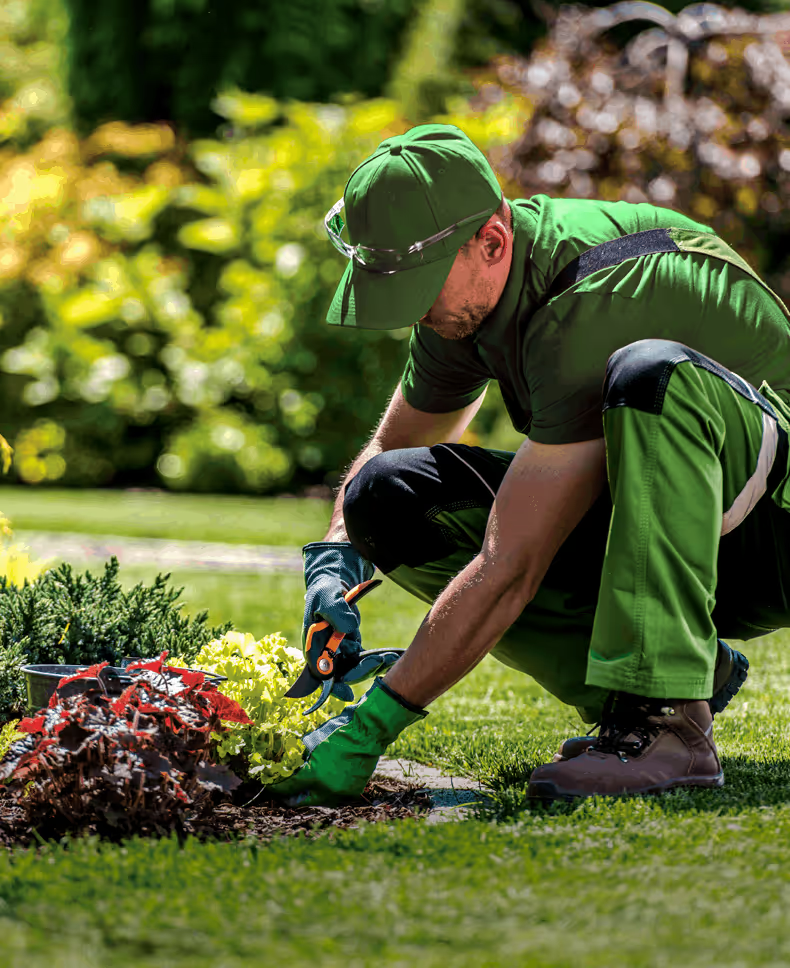
What this means for you is that, unlike spring’s focus on planting and growth, your summer gardening approach
should emphasize maintenance through weeding, deadheading flowers, and harvesting any vegetables you may have. Two
pruning techniques we recommend to maintain your plants’ health and appearance:
Weeding in the summer becomes even more urgent because weeds grow fast in the heat. Eventually, they compete
with the plants you actually want for water and nutrients. When the soil is drier and harder weeds also become tougher to
pull, especially if they’ve matured. That’s why it’s best to weed after watering or rain, when the soil is softer.
Meanwhile, work with a service you trust on your mulching schedule, since it’s vital in the summer to suppress weed
growth and retain soil moisture.
With the change in season, your routines need to adapt to keep your landscaping thriving. Our team of experts at
Schmechtig will alert you to a few thoughtful adjustments that will make all the difference on your property.
Visit Schmechtig Landscapes, or give us a call so we can set up a plan to bring out the best in your lawn and garden
this summer!
Every garden holds a story, and every idea can spark the next. Sign up to receive more of Schmechtig’s blogs and videos — curated to keep your imagination blooming.
847-566-1233 or drop us a note.
.svg)
.svg)