.svg)




.avif)






STAY INSPIRED
Every garden holds a story, and every idea can spark the next. Sign up to receive more of Schmechtig’s blogs and videos — curated to keep your imagination blooming.

847-566-1233 or drop us a note.
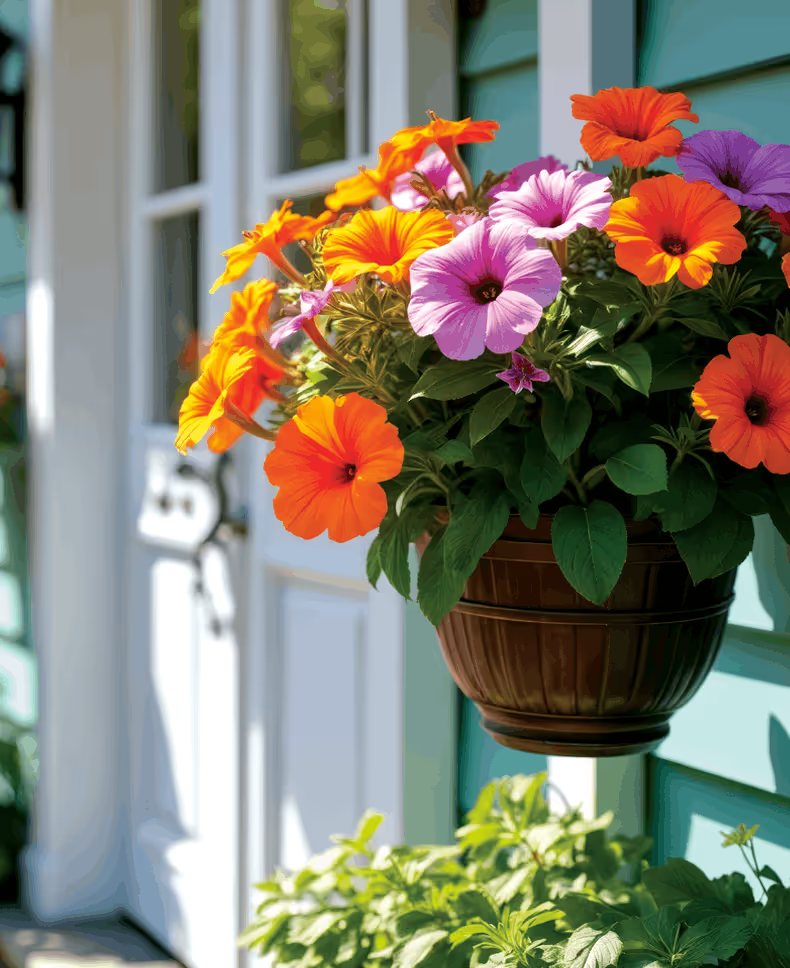
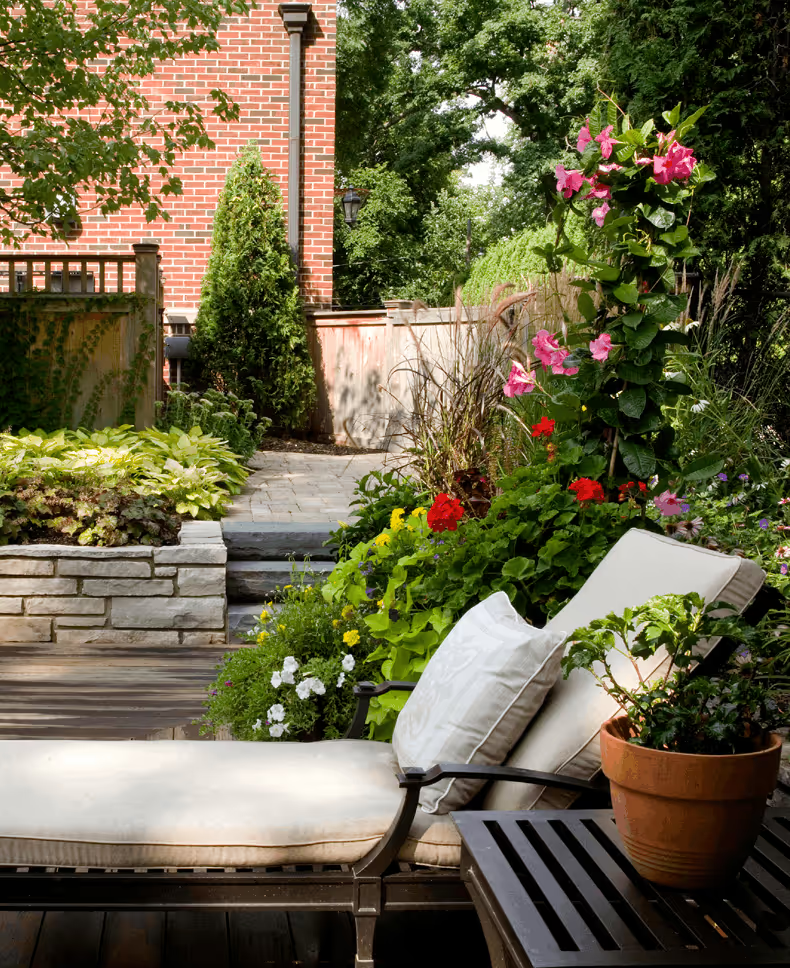
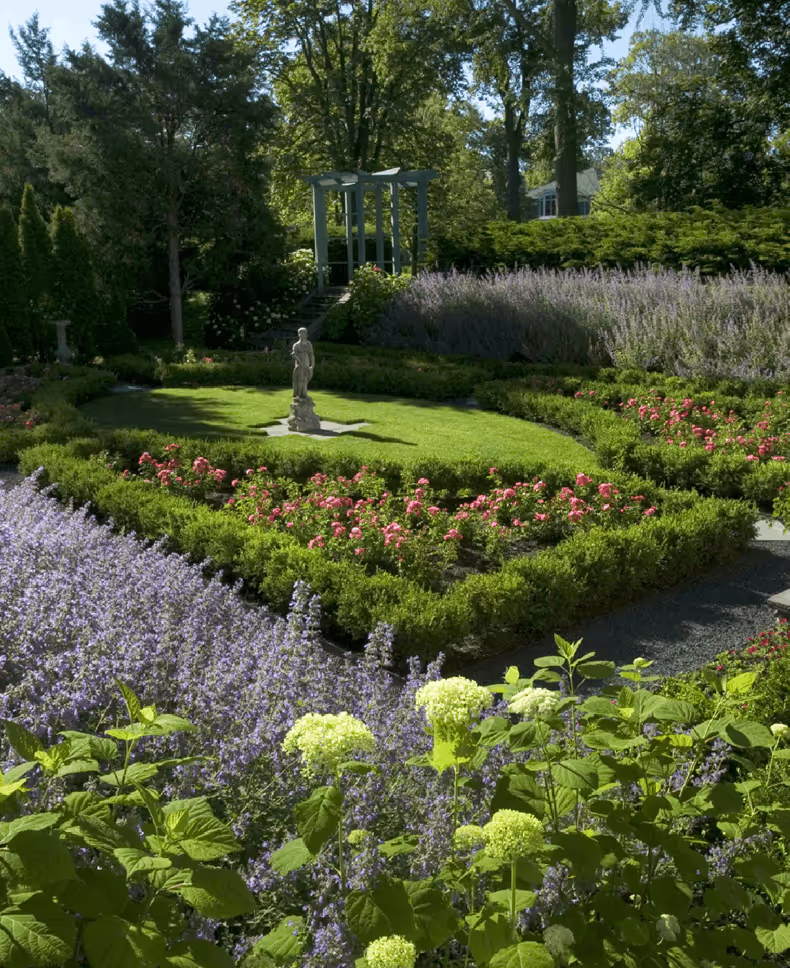
Getting clear on color schemes is important when it comes to interior design, and the same can be said for outdoor spaces. Have you ever stepped into a garden and felt transported to a world exploding with assorted bright, gorgeous flowers? Someone selected those varieties intentionally, putting thought into how they should be paired in the ground in order to create that effect. A harmonious and cohesive color scheme helps set the mood not just of your garden bed, but also the space surrounding it.
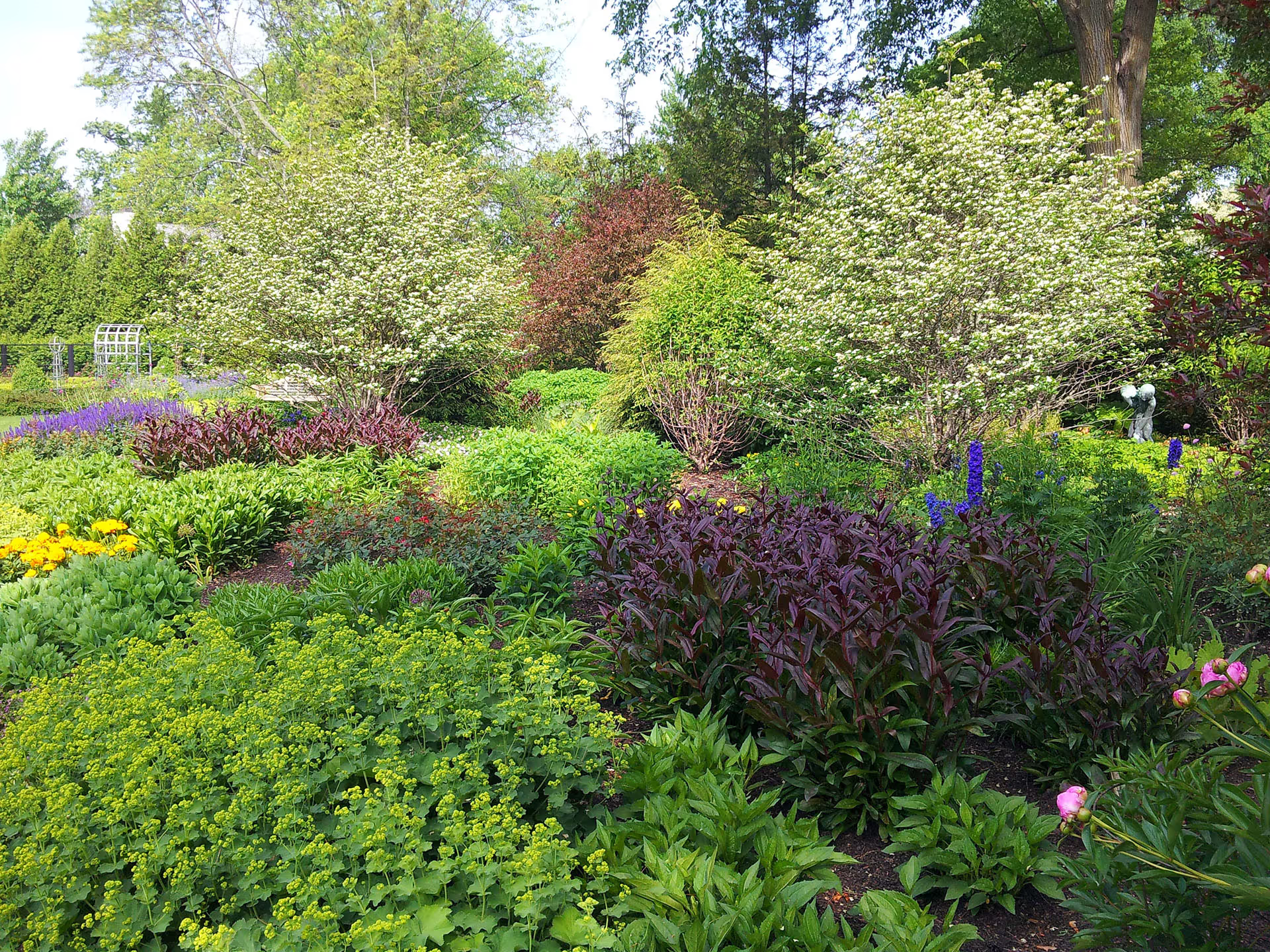
Planning by color – what hues to combine and where to place them – is important in landscape design because it brings a kind of visual harmony to a garden. For example, planting in soft patterns, alternating between white and violet, provides a tranquil aesthetic and prevents that part of your property from looking chaotic or disjointed.
Would you prefer a calm and serene nook to escape to, a bold and energetic garden that will be visually invigorating, or some other color scheme that speaks to your personal preferences? Once you figure that out, you can use it to guide your plant and material choices, making the rest of the process easier.
Of course, the colors themselves should be aesthetically pleasing on a personal level. But certain color combos match better than others. Which of these color schemes speaks to you?
A couple examples demonstrate how you can incorporate colors into the larger picture you have planned. Notice that for both, there are still different color palette options. We included a coupe, but there’s really no limit. Is it your garden, after all.
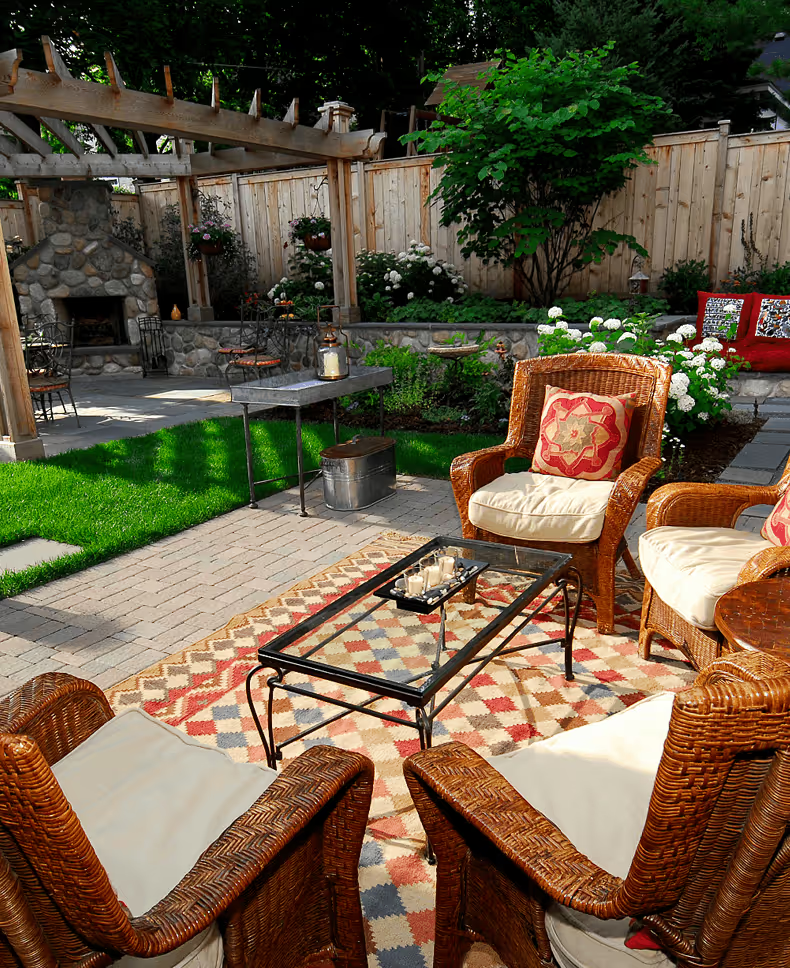
Many people love the cozy feel of a charming cottage style garden, even if their home isn’t exactly a cottage. These gardens tend to be lush, colorful, and can even be a little chaotic in places, but in the best way. They’re great for gardeners who love a more old-fashioned feel, with things blooming from spring through fall. This requires plants and flowers to match, but you could take that idea in different directions.
Color planting options:
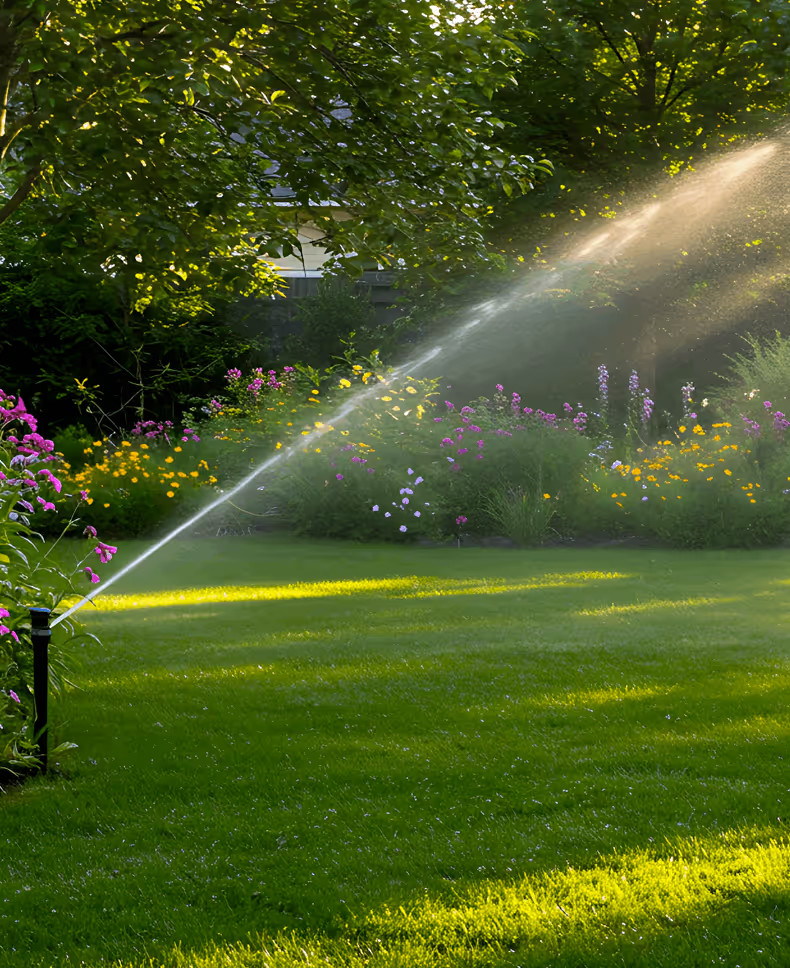
Natural Midwestern landscapes have inspired countless prairie-style gardens intended to be more low-maintenance and pollinator-friendly. Even if you want your yard to blend into the surrounding environment, you can use colors to create a nature-driven aesthetic.
Color planting options:
By thoughtfully selecting and combining colors, you can guide how others will experience your garden, too – from lively and dynamic to peaceful and reflective.
Working with a landscape designer will introduce you to the whole spectrum of palette choices. Our Schmechtig team will make sure whatever combination you select will work together across seasons, as well as flourish on your particular property.
Call Schmechtig Landscapes or reach out online for help designing and creating the garden of your dreams.
Every garden holds a story, and every idea can spark the next. Sign up to receive more of Schmechtig’s blogs and videos — curated to keep your imagination blooming.
847-566-1233 or drop us a note.
.svg)
.svg)